Embracing Fresh Flavors: A Guide to Seasonal Eating and Culinary Creativity
The journey into the world of fresh flavors is an exciting one, full of vibrant tastes, aromatic discoveries, and immense satisfaction. As we've explored the foundational elements of culinary freshness, it becomes clear that truly integrating these elements into our daily lives requires a deeper understanding of where our food comes from, and how we can maximize its inherent goodness. This article, the third in our series, delves into the art of seasonal eating and practical strategies for fostering culinary creativity, ensuring that fresh flavors are not just an occasional treat but a consistent, delightful presence on your plate.
Embracing the rhythm of nature's pantry, aligning our cooking with the seasons, and daring to experiment with ingredients are key to unlocking a truly dynamic and healthful diet. It’s about more than just taste; it’s about reconnecting with the source of our food, supporting sustainable practices, and nurturing our bodies with the most potent, nutrient-rich produce available. Let's explore how to make fresh flavors a permanent and inspiring fixture in your kitchen.
The Power of Seasonal Eating for Truly Fresh Flavors
Eating seasonally is perhaps the most fundamental step towards consistently enjoying fresh flavors. Produce picked at the peak of its season, ripened naturally under the sun, boasts a superior taste, texture, and nutritional profile compared to items harvested prematurely or shipped long distances. Think about the difference between a mid-summer strawberry, bursting with sweetness, and one bought in the dead of winter—the contrast is undeniable.
Beyond the undeniable deliciousness, seasonal eating offers a multitude of benefits:
- Enhanced Flavor and Nutrition: Fruits and vegetables allowed to mature naturally on the vine or tree develop their fullest flavor and highest concentration of vitamins, minerals, and antioxidants.
- Cost-Effectiveness: When produce is in season, it's typically more abundant, which often translates to lower prices at your local market or grocery store.
- Environmental Sustainability: Sourcing seasonal produce, especially from local farms, reduces transportation costs and carbon emissions, minimizing your environmental footprint.
- Support for Local Economies: Buying seasonal, local produce directly supports farmers in your community, helping to sustain local agriculture and food systems.
How to Discover What's in Season
Identifying what's in season can seem daunting at first, but it’s simpler than you think. Start by visiting your local farmers' market—the vendors are an invaluable source of information and will proudly tell you what’s currently at its peak. Many regions also have online seasonal food guides or apps that provide month-by-month lists of available produce. Keep an eye out for ingredients that look vibrant, smell aromatic, and feel firm (unless they're meant to be soft) – these are often indicators of optimal freshness.
Unlocking Culinary Creativity with Fresh Flavors
Once you understand the rhythm of seasonal produce, the next step is to let your culinary imagination soar. Don't feel confined to rigid recipes; instead, see seasonal ingredients as an invitation to experiment. Cooking with fresh flavors should be an adventure, not a chore. As we discussed in earlier explorations like fresh flavors - Article 1, the quality of your ingredients dictates the quality of your dish. Now, let's build on that by inspiring innovation.
Here are some ways to foster your creativity:
- Start Simple: Pick one seasonal ingredient you love and build a meal around it. What flavors complement it? What cooking methods highlight its natural goodness?
- Balance is Key: Think about balancing different taste elements: sweet, sour, salty, bitter, and umami. A squeeze of lemon (sour) can brighten a rich dish, while a pinch of salt can enhance sweetness.
- Mise en Place (Preparation): Having your fresh ingredients washed, chopped, and ready to go can spark ideas and make cooking feel less intimidating.
- Don't Fear Failure: Not every experiment will be a masterpiece, and that's perfectly fine! Every attempt is a learning experience that refines your palate and technique.
Simple Techniques to Elevate Fresh Ingredients
Sometimes, the simplest cooking methods are the best for showcasing fresh flavors:
- Roasting: High heat brings out the natural sweetness and caramelization in vegetables like carrots, Brussels sprouts, and sweet potatoes.
- Sautéing: A quick sauté with a little olive oil, garlic, and herbs can transform leafy greens or delicate vegetables like asparagus into a flavorful side dish.
- Grilling: Imparts a smoky char that complements many fruits and vegetables, from peaches to zucchini.
- Blanching: A brief dip in boiling water followed by an ice bath helps preserve the vibrant color and crisp-tender texture of vegetables, locking in their fresh flavors.
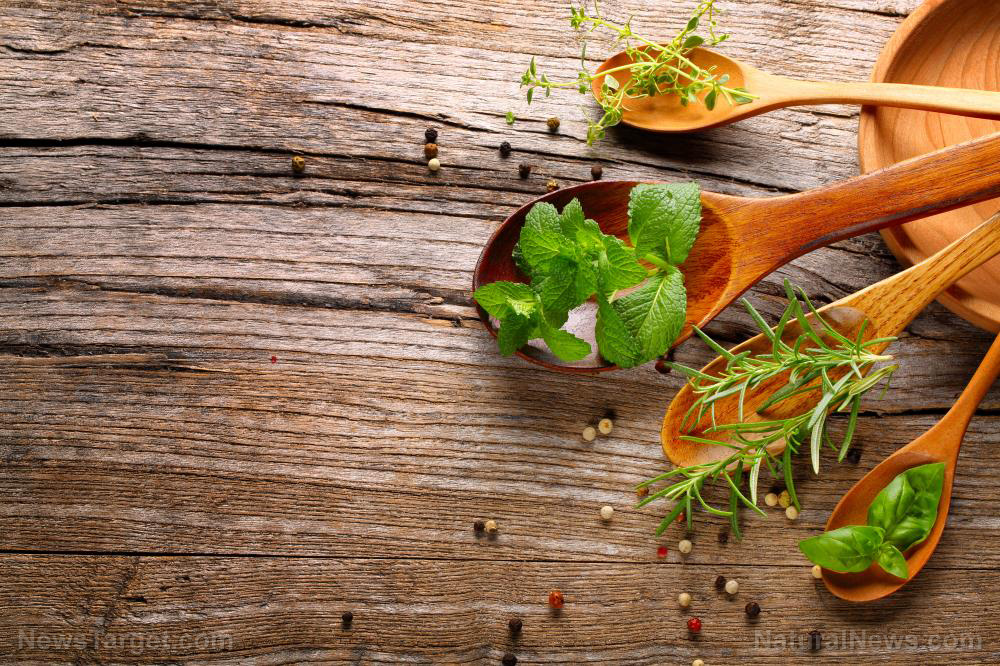
- Herbs and Spices: These are your best friends for elevating dishes. Fresh herbs like basil, cilantro, parsley, and mint can instantly brighten a meal, while spices add depth and warmth. Don't underestimate the power of a simple crack of black pepper or a sprinkle of flaky sea salt.
- Citrus Zest and Juice: Lemon, lime, and orange zest or juice add incredible brightness and acidity, making other flavors pop without overpowering them.
Building a Fresh Flavor Pantry: Essentials for Everyday Cooking
A well-stocked pantry is the backbone of any kitchen, but a fresh flavor pantry is designed to complement and enhance your seasonal produce. Building on the foundational elements we explored in articles such as fresh flavors - Article 2, having the right supporting ingredients on hand allows you to whip up delicious, flavorful meals even with minimal planning.
Consider these essentials for a pantry geared towards maximizing fresh flavors:
- High-Quality Oils and Vinegars: Extra virgin olive oil, avocado oil, apple cider vinegar, balsamic vinegar, and rice vinegar are versatile staples.
- Aromatic Staples: Onions, garlic, shallots, and ginger form the flavorful base of countless dishes. Keep them fresh and accessible.
- Fresh Herbs: Grow a small herb garden if possible, or keep a rotating stock of fresh parsley, cilantro, basil, and mint in your fridge.
- Lemons and Limes: Always have these on hand for zest, juice, and brightness.
- Quality Salt and Pepper: Flaky sea salt and freshly ground black pepper make a significant difference.
- Spices: Build a collection of your favorite spices (cumin, coriander, paprika, turmeric, chili flakes) to add depth and warmth.
- Whole Grains and Legumes: Quinoa, farro, brown rice, lentils, and chickpeas are excellent bases for meals, soaking up fresh flavors from vegetables and herbs.
- Canned Tomatoes: A pantry savior for quick sauces and stews when fresh tomatoes are not in season.
Meal Planning for Maximum Freshness
Incorporating seasonal eating and creative cooking into your routine becomes easier with a bit of planning. Instead of planning meals and then shopping, try shopping first based on what looks best and is in season, then plan your meals around those ingredients.
Here’s a simple strategy:
- Visit the Market: Go to your local farmers' market or produce aisle and see what's in its prime. Let these ingredients inspire you.
- Brainstorm: Think about how you can use each seasonal item in different ways throughout the week. For example, fresh asparagus can be roasted as a side, chopped into an omelet, or pureed into a soup.
- Batch Cook Components: Roast a large tray of seasonal vegetables at the beginning of the week. Cook a batch of grains. These components can then be mixed and matched to create quick, flavorful meals.
- Repurpose Leftovers Creatively: Transform leftover roasted chicken and vegetables into a vibrant salad with a fresh vinaigrette or a flavorful wrap.
Beyond the Kitchen: Fresh Flavors in Drinks and Desserts
The pursuit of fresh flavors doesn't stop at savory dishes. Infusing freshness into your beverages and desserts can elevate your entire culinary experience. Imagine a hot summer day refreshed by water infused with cucumber and mint, or a simple dessert elevated by ripe, seasonal berries.
- Infused Water: Add slices of cucumber, lemon, lime, berries, or sprigs of mint and basil to your water for a delightful, natural flavor boost.
- Smoothies and Juices: Blend seasonal fruits and leafy greens for nutritious and delicious drinks. Think strawberry-basil smoothies or apple-ginger juice.
- Herbal Teas: Use fresh herbs like mint, lemon verbena, or ginger slices to make soothing, flavorful teas.
- Fruit-Forward Desserts: Let seasonal fruits be the star. Simple fruit tarts, crumbles, sorbets, or even just a bowl of perfectly ripe berries with a dollop of fresh cream highlight their natural sweetness and fresh flavors without heavy additions.
Conclusion
Embracing fresh flavors by prioritizing seasonal eating and fostering culinary creativity is a journey that enriches not only your palate but your overall well-being. It’s about more than just cooking; it’s a lifestyle choice that connects you to your food, supports sustainable practices, and encourages mindful consumption. By understanding the power of peak-season produce, experimenting with simple techniques, and stocking a supportive pantry, you can transform everyday meals into extraordinary culinary experiences. So, step into your kitchen with confidence, let the seasons guide your choices, and continue to explore the endless possibilities that fresh flavors bring to your table.
